Common Causes of Paver Shifting and Settling
Understanding common causes of paver shifting and settling helps homeowners identify issues that local contractors can repair to restore a stable, even surface.
Property owners noticing paver shifting and settling often wonder what causes these issues to develop over time. Understanding the common causes of paver shifting and settling can help homeowners identify potential problems early and make informed decisions about repairs. Factors such as soil movement, improper installation, and inadequate base preparation are typical contributors that can lead to uneven surfaces and loose pavers. Exploring these causes provides practical insights into maintaining a smooth, stable paver surface and highlights the importance of professional repair services to address underlying issues effectively.
For those in the area dealing with uneven or shifting pavers, connecting with experienced local contractors can be a valuable step toward restoring their outdoor spaces. These service providers are equipped to diagnose the root causes of paver problems and perform necessary repairs to prevent further shifting or settling. By understanding the common causes, property owners can better appreciate the role that skilled paver repair specialists play in ensuring a durable, long-lasting paved surface. Keep reading to learn more about how local experts can help resolve these issues and keep outdoor spaces looking their best.
- Paver Repair Services - Local contractors can address shifting caused by soil movement or poor initial installation to restore stability.
- Paver Repair Services - When settling occurs due to erosion or drainage issues, service providers can evaluate and stabilize the area effectively.
- Paver Repair Services - For pavers that have shifted because of tree roots or ground movement, local pros can re-level and secure the surface.
- Paver Repair Services - Cracks and unevenness resulting from freeze-thaw cycles can be repaired by experienced local contractors to prevent further damage.
- Paver Repair Services - If improper base preparation led to paver shifting, local service providers can reconstruct the foundation for long-lasting results.
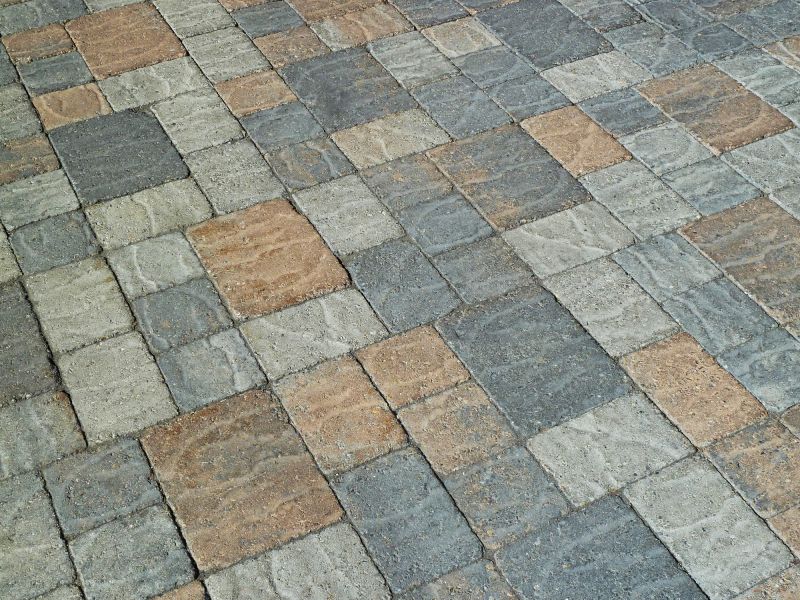
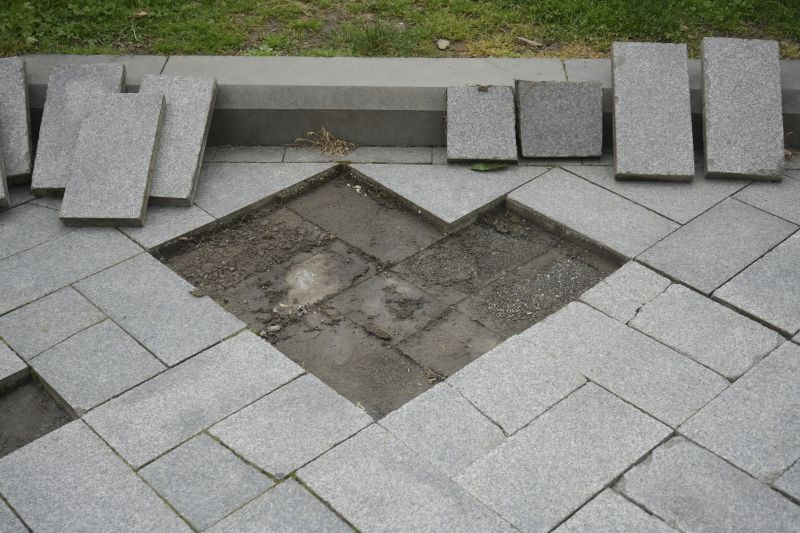
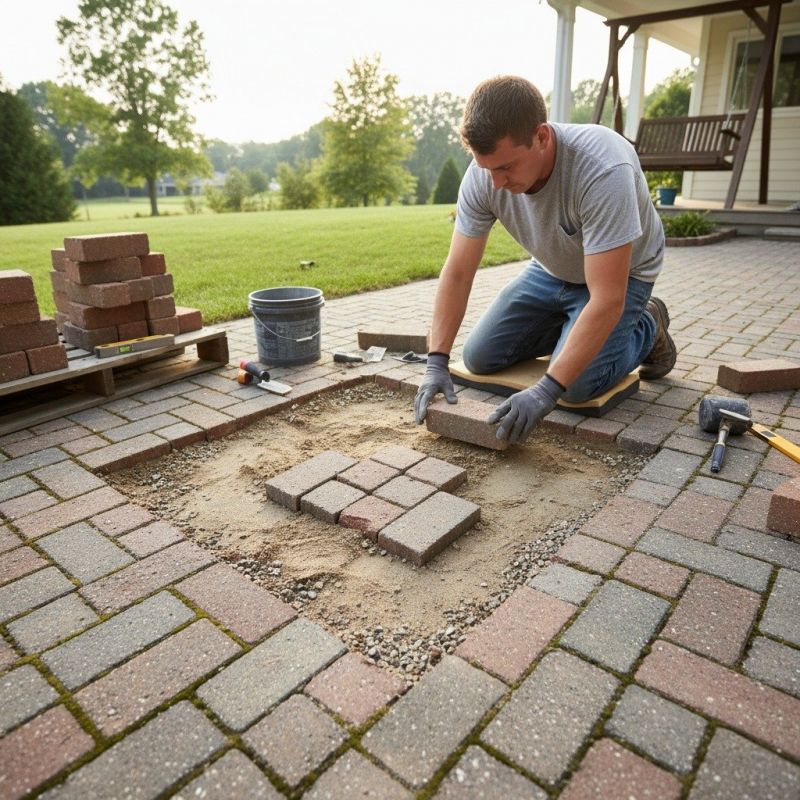
When homeowners search for common causes of paver shifting and settling, they are often trying to understand why their paved surfaces are uneven or developing gaps over time. These issues can affect driveways, walkways, patios, and other outdoor surfaces, leading to tripping hazards, water drainage problems, and a decline in curb appeal. Homeowners may notice pavers moving out of alignment after installation or gradually sinking, prompting questions about what might be causing these changes. Understanding the root causes helps in planning effective repairs and preventing future problems, making it essential to work with experienced service providers who can diagnose and address the underlying issues.
The problems associated with paver shifting and settling often relate to foundational or environmental factors. For example, poor base preparation during installation can leave the pavers vulnerable to movement as the soil beneath shifts or erodes. Excess moisture from improper drainage or heavy rainfall can weaken the soil, causing it to expand or contract and push the pavers out of place. Additionally, freeze-thaw cycles can create pressure beneath the surface, leading to heaving or sinking. These issues are common in areas with clay or sandy soils and can be exacerbated by landscaping activities or changes in the landscape that disturb the ground beneath the paved surfaces.
Many property types are affected by these issues, including residential homes, commercial buildings, and public spaces. Residential properties with driveways, patios, or walkways often experience paver shifting due to soil movement or poor installation practices. Commercial properties, such as retail centers or office complexes, may encounter similar problems with larger paved areas exposed to heavier loads and more frequent use. Public parks or community spaces with extensive paver installations can also face shifting and settling, especially if drainage systems are inadequate or the ground beneath was not properly prepared. Recognizing the specific property type helps in selecting the right repair strategies and working with service providers familiar with local soil conditions and construction standards.
Local pros who specialize in paver repair are equipped to identify the common causes of shifting and settling specific to each property. They typically assess the site’s soil conditions, drainage patterns, and previous installation methods to determine why the pavers are moving. Once the root cause is identified, they can recommend appropriate solutions, such as regrading the area, replacing or stabilizing the base material, or installing proper drainage systems. Engaging experienced service providers ensures that repairs address the underlying issues rather than just cosmetic fixes, helping to restore the integrity and appearance of the paved surface. Proper diagnosis and timely intervention can prevent further damage and extend the lifespan of the paver installation.
Patio and walkway installation - professionals in patio and walkway projects often address issues related to soil stability and proper base preparation, which are key factors in preventing paver shifting and settling.
Landscape grading and drainage - experts who focus on grading and drainage help ensure proper water flow, reducing soil erosion and moisture problems that contribute to paver movement.
Foundation repair services - contractors skilled in foundation repair understand soil movement and settlement, providing insights applicable to maintaining stable paver surfaces.
Driveway construction and repair - driveway specialists are familiar with base compaction and soil conditions that directly impact paver stability and longevity.
Soil stabilization and compaction - service providers in soil stabilization work to improve ground support, which is essential for preventing paver shifting caused by unstable soil.
Retaining wall installation - installers of retaining walls manage soil pressure and movement, offering techniques relevant to controlling paver settling and shifting issues.
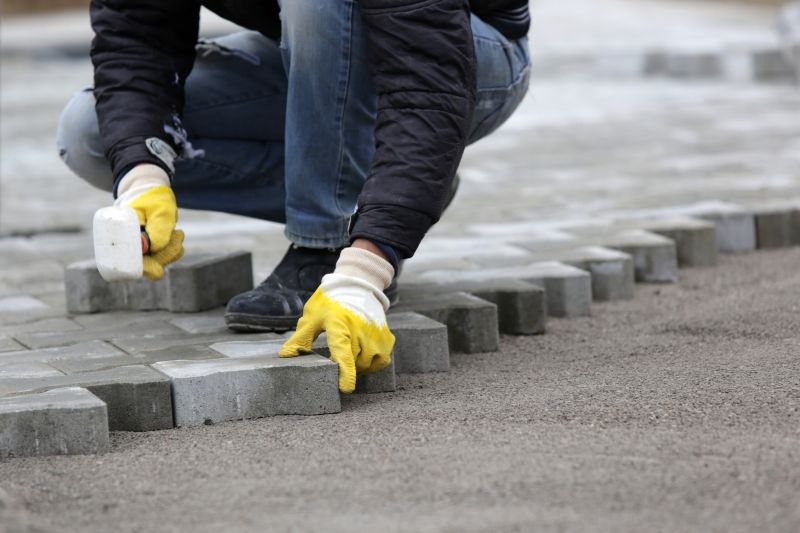
When evaluating potential service providers for paver repair, it is important to consider their experience with projects similar to yours. An experienced contractor will be familiar with common causes of paver shifting and settling, such as soil movement, improper installation, or drainage issues, and will have a history of successfully addressing these problems. Asking for details about past work can help determine if a contractor has the relevant expertise to handle the specific challenges presented by your paver area, ensuring that they understand the nuances involved in restoring stability and appearance.
Clear written expectations are essential when comparing local contractors for paver repair services. A reputable service provider should be able to outline what the repair process will involve, including steps to address the underlying causes of shifting and settling. This clarity helps prevent misunderstandings and provides a basis for evaluating whether the scope of work aligns with your needs. Well-defined expectations also demonstrate professionalism and a commitment to transparency, making it easier to assess whether a contractor’s approach is thorough and tailored to your situation.
Reputable references and good communication are key indicators of a reliable contractor. Speaking with previous clients or reviewing references can provide insights into how effectively a service provider manages projects similar to yours, including their ability to resolve issues related to paver shifting and settling. Additionally, a contractor who communicates clearly and promptly is more likely to keep you informed throughout the repair process, answer questions thoroughly, and address concerns as they arise. These qualities contribute to a smoother experience and increase confidence in selecting a local contractor capable of restoring your pavers effectively.
Property owners often search for common causes of paver shifting and settling when they are planning practical projects around their homes and businesses. Local pros provide Paver Repair services for everyday jobs and straightforward project options.
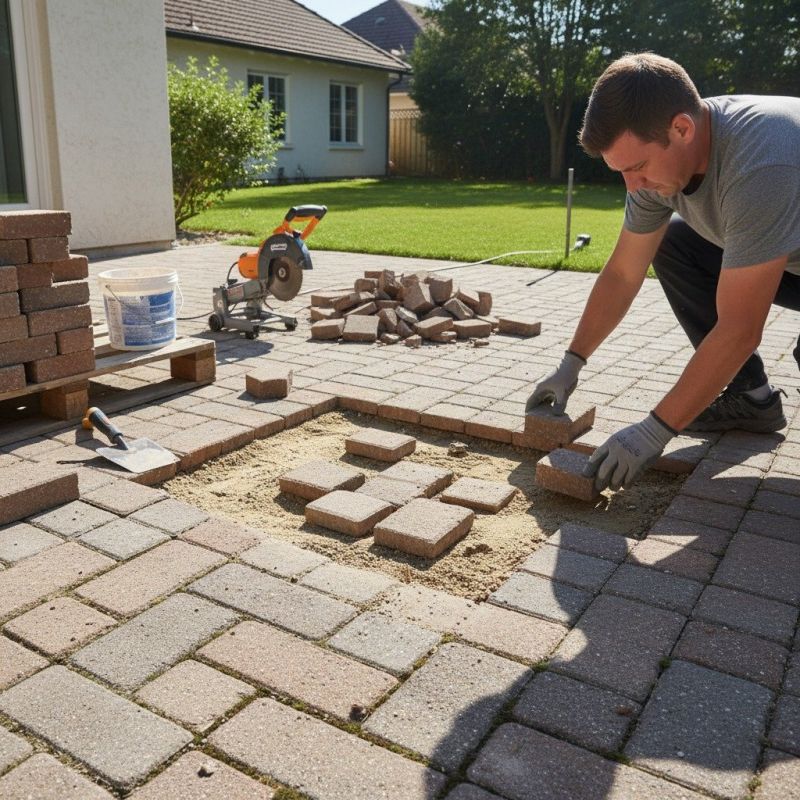
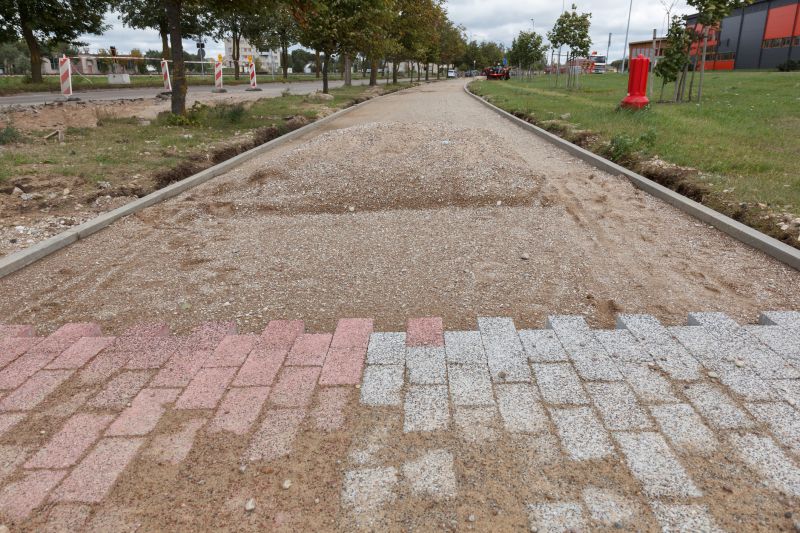
Understanding the common causes of paver shifting and settling can help property owners identify issues early and seek appropriate repairs. Everyday situations, such as poor soil preparation before installation or inadequate base compaction, often lead to instability over time. Additionally, exposure to moisture from heavy rain or irrigation can weaken the ground beneath pavers, causing them to move or sink. Traffic and heavy loads can also contribute to shifting, especially if the paver installation wasn't designed to handle such stress. Local contractors experienced in paver repair can assess these factors and determine the best solutions to restore a stable, even surface.
Property owners might also notice pavers settling due to natural ground movement or changes in the landscape, like tree roots growing underneath or soil erosion around the edges. Seasonal shifts, such as freeze-thaw cycles, can cause ground expansion and contraction, leading to unevenness. In many cases, addressing these issues requires expert intervention to stabilize the base and reset the pavers. Local service providers specializing in paver repair have the knowledge and tools to evaluate the underlying causes and perform effective fixes, helping to maintain the appearance and safety of outdoor spaces.
What are common causes of paver shifting and settling? Common causes include soil erosion, improper base preparation, and changes in moisture levels that affect the stability of the underlying ground, leading to paver movement.
How does soil erosion contribute to paver problems? Soil erosion can wash away or loosen the foundation beneath pavers, causing them to shift or settle unevenly, which local contractors can repair by stabilizing the base.
Can improper base installation lead to paver shifting? Yes, inadequate or poorly compacted base material can fail to support the pavers properly, resulting in shifting or settling over time, which experienced service providers can address through proper base repair.
What role does moisture play in paver shifting? Fluctuations in moisture levels can cause soil expansion or contraction beneath the pavers, leading to movement; local pros can evaluate and correct drainage or base issues to prevent this.
Are tree roots a common cause of paver settling? Yes, invasive tree roots can grow beneath pavers, exerting pressure and causing them to shift or lift, with local contractors able to perform root removal and paver stabilization services.
Soil instability can cause pavers to shift over time; property owners might consider consulting local contractors to evaluate and stabilize the ground beneath their paving. Improper installation is a common cause of settling; seeking experienced paver repair services can ensure proper base preparation and alignment. Drainage issues can lead to water pooling and erosion, which local pros can address by improving grading and drainage systems around the paved area. Tree roots growing beneath pavers can lift and displace them; property owners may work with local contractors to identify and remove problematic roots to prevent further shifting.
If you are thinking about common causes of paver shifting and settling for a property, this guide is meant to help you understand this topic, the typical project types, and how different options might fit your plans.
When you are ready, you can use the quote form on this page to share a few details about your project. From there, local pros can review the basics and follow up with options that match what you have in mind.